Religion as the Ship of Theseus
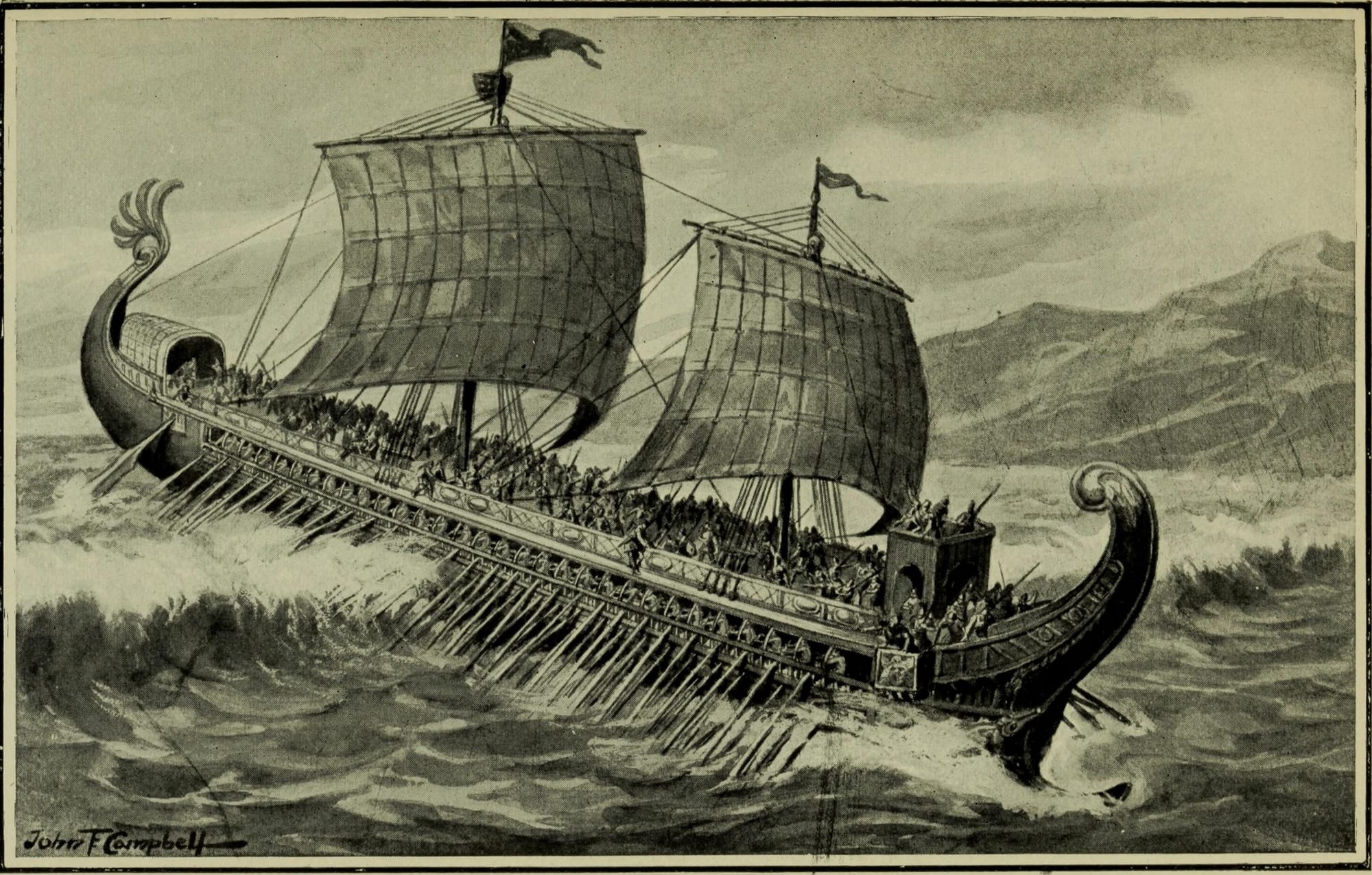
On the identity of evolving belief systems
The Ship of Theseus is a well-known philosophical paradox: if a ship has its parts replaced over time, is it still the same ship? And if not, at what point does it stop being the same ship?
Religion is an interesting example of this paradox. It is often contrasted with science as something static, a system with fixed doctrines and final answers. Yet contrary to this popular view, religions evolve constantly in order to survive within changing cultures. Religions that fail to adapt disappear and turn into mythologies.
Christianity is a prime example. It began as an apocalyptic belief that God would soon intervene in history and restore a broken and unjust world. Over time, it transformed into a moral and philosophical teaching. Later, it evolved again through the formation of churches and institutions. Multiple confessions emerged, each introducing new interpretations and ideas. Today this religion is still called Christianity, yet it is very different from the Christianity of two thousand years ago.
The same pattern can be seen in other religions. Buddhism also began to fragment and evolve almost immediately after the death of the Buddha. As it spread across cultures, it absorbed local philosophies and traditions. The Buddhism practiced today is very different from its earliest form.
The problem is that taking Christianity entirely at face value is no longer possible for a modern person. Ideas such as the creation of the world and the first humans contradict modern science. Other passages, describing genocide, sacrifice, violence, or the treatment of women can sound horrendous and barbaric for any sane person.
As a result, these elements are constantly reinterpreted. Some texts are treated as metaphors. All the horrible things are explained through historical context. Events such as the Inquisition or holy wars are attributed to human institutions rather than divine will. Without such reinterpretation, faith becomes almost impossible for someone with critical thinking.
This leads to a deeper question. If a religion can change so radically over time, if even its core ideas evolve under cultural pressure, if people make their own interpretations of religious ideas. Can it still be considered the same religion? At what point do reinterpretations stop being Christianity and become a new philosophy altogether? And if each person ultimately constructs their own system of beliefs and morals, what is the purpose of having a single tradition that means something different to everyone?